

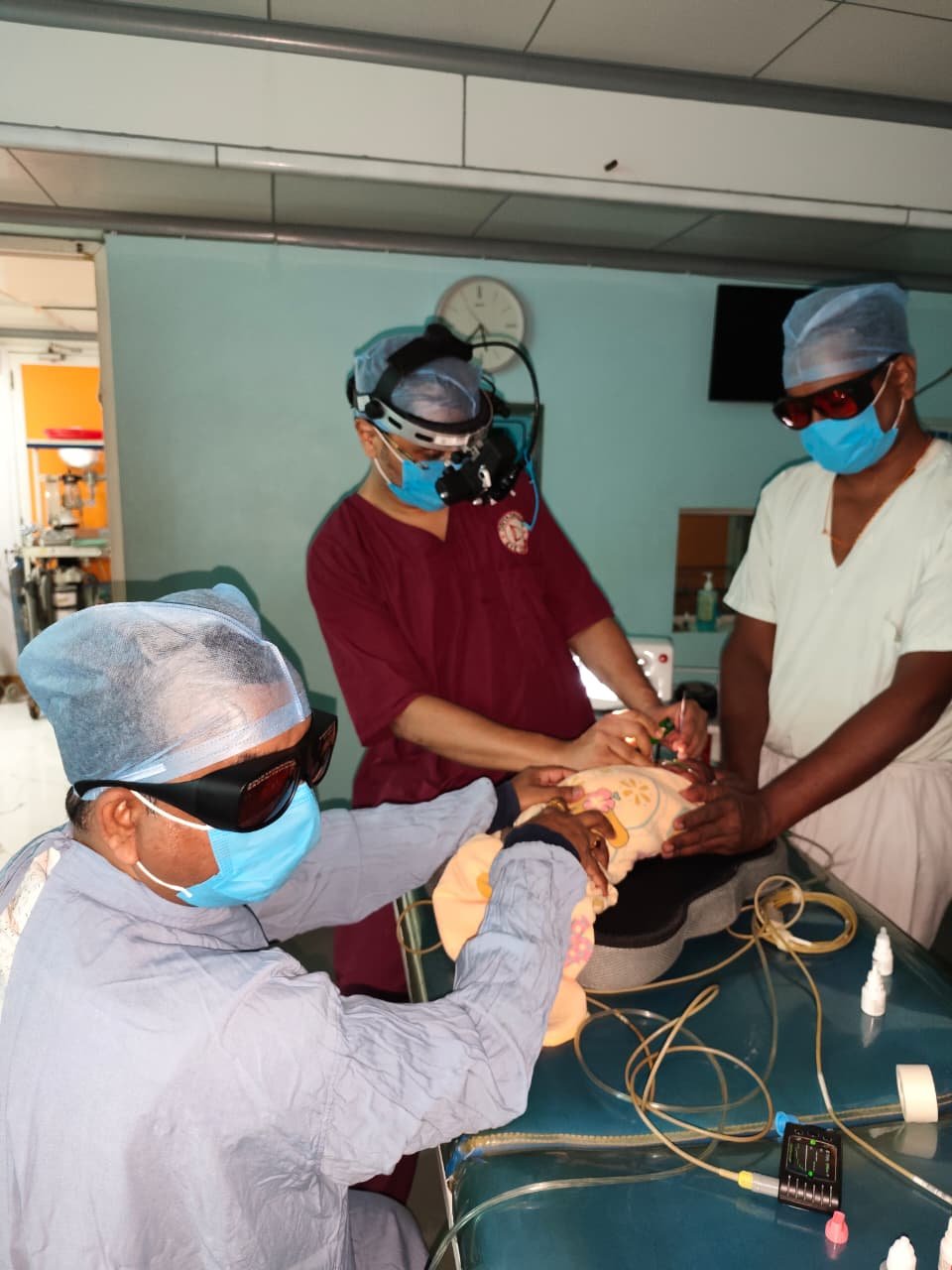
Retinopathy of Prematurity (ROP)
Protecting the Vision of Premature Babies
Retinopathy of Prematurity (ROP) is a potentially serious eye condition that can affect premature and low-birth-weight babies. It occurs because the blood vessels of the retina—the light-sensitive layer at the back of the eye—are not fully developed at birth.
In some babies, abnormal blood vessel growth can occur and may progress rapidly. Severe ROP can lead to retinal detachment and permanent vision loss. However, early detection and timely treatment can prevent blindness in most babies at risk.
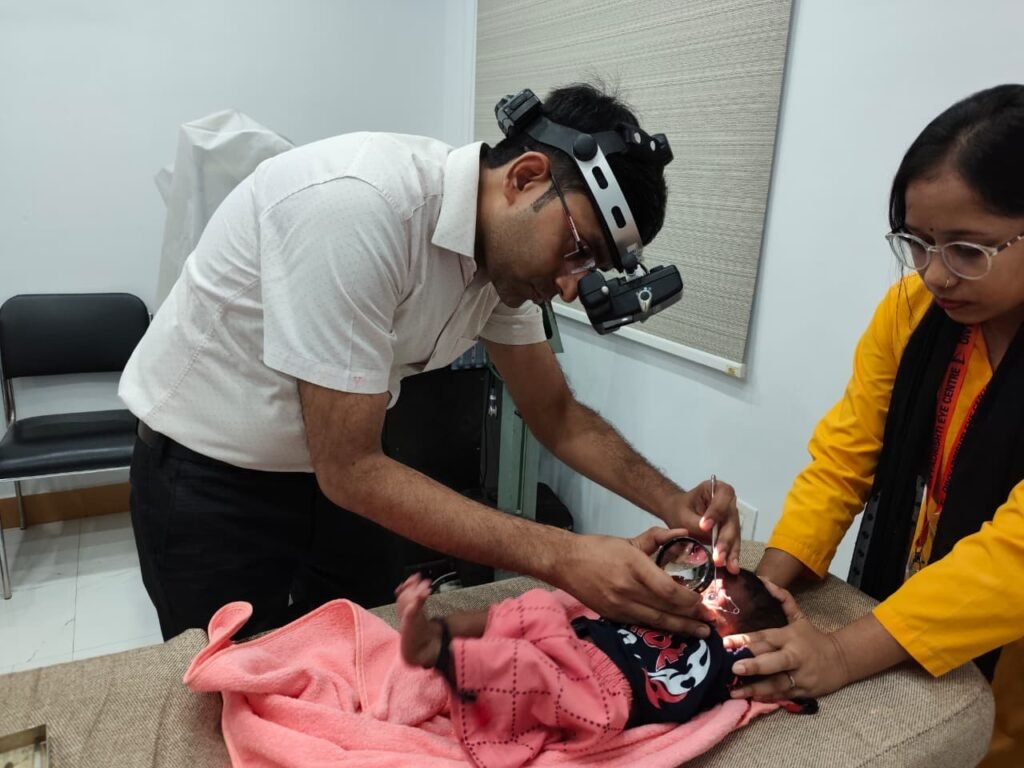
At Divyadrishti Eye Centre, Patna, we provide specialised care for babies at risk of ROP, including ROP screening, regular retinal follow-up, laser treatment and appropriate retinal management. Our vitreoretinal team provides comprehensive care with the aim of protecting vision during this critical stage of a child’s development.
Who is at Risk of ROP?
ROP is more common in babies who are:
- Born prematurely
- Have low birth weight
- Require prolonged oxygen or respiratory support
- Have required intensive neonatal care
- Have other complications associated with prematurity
Importantly, a baby can develop ROP even when the baby appears otherwise healthy after discharge from the NICU. Therefore, appropriate screening at the recommended time is essential.
Indian screening criteria
- Gestational age: All babies born at ≤34 weeks of gestation should be screened.
- Birth weight: All babies with birth weight ≤2000 g should be screened.
- 34–36 weeks: Screen babies in this gestational-age range when significant risk factors are present, including respiratory/oxygen support, sepsis, apnea, blood or exchange transfusion, or an unstable clinical course.
- Clinical discretion: Other preterm/high-risk babies may be screened at the discretion of the neonatologist/paediatrician.
Why is ROP Screening Important?
ROP usually has no visible symptoms in the early stages. Parents may not notice any problem with the baby’s eyes or vision.
A specialised retinal examination by an ophthalmologist is therefore essential. Screening allows the doctor to identify babies who need observation and, when necessary, treatment before permanent retinal damage occurs.
ROP screening is particularly important because the disease can progress rapidly during the early weeks of life.
ROP Treatment
Not every baby with ROP requires treatment. Depending on the stage, location and severity of the disease, the baby may require close observation or active treatment.
Laser Treatment
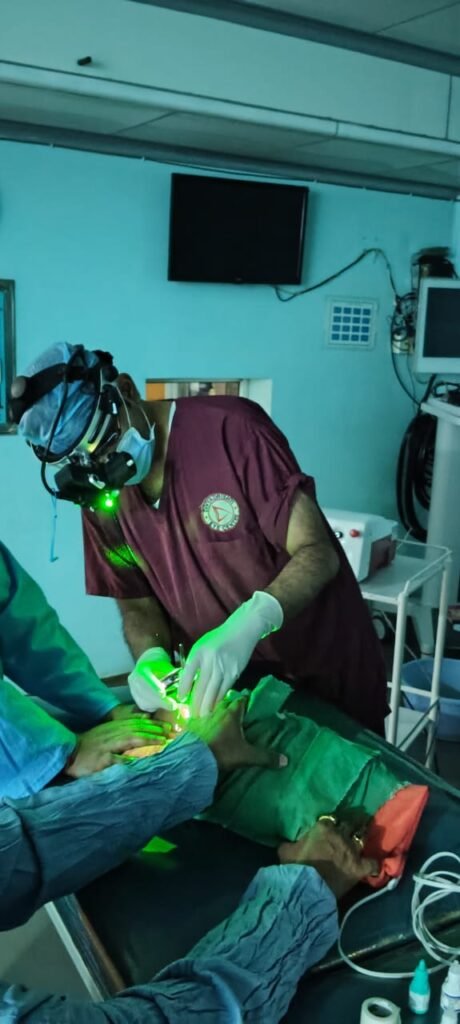
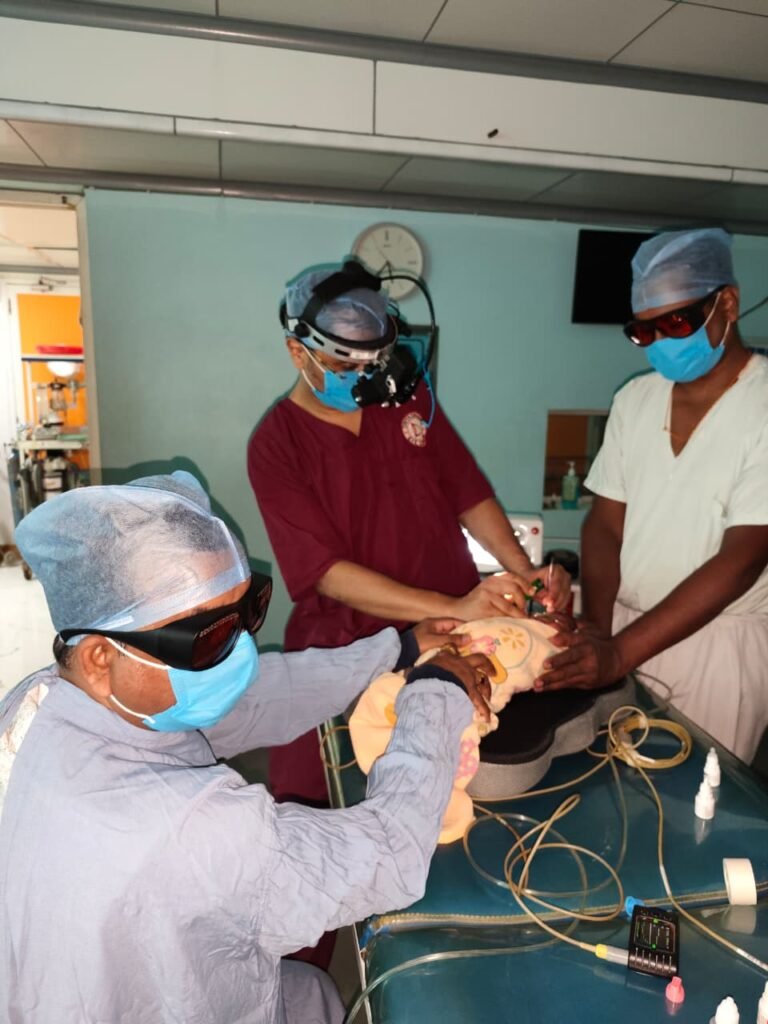
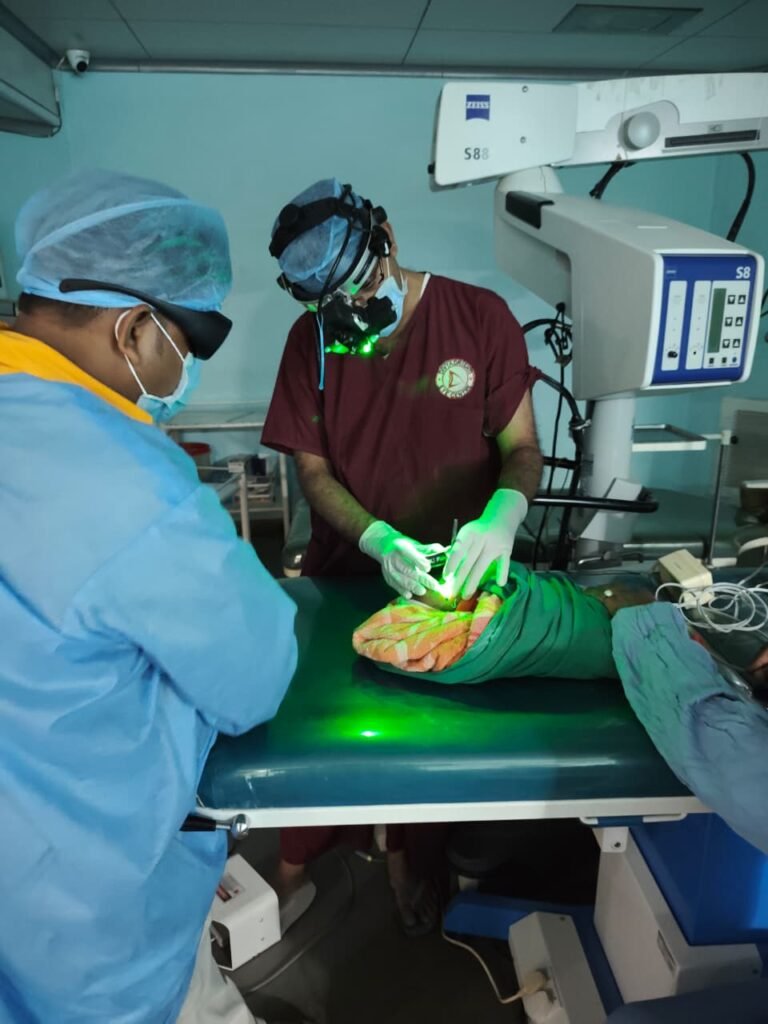
Laser photocoagulation is an established treatment for sight-threatening ROP. It treats the abnormal peripheral, non-vascularised retina and helps prevent progression of the disease.
Anti-VEGF Treatment
In selected cases, particularly certain forms of posterior or aggressive ROP, an anti-VEGF injection may be recommended. These babies require careful and prolonged follow-up because ROP can reactivate after treatment.
Retinal Surgery
In advanced cases where ROP has resulted in retinal detachment, vitreoretinal surgery may be required.
Our ROP Services
At Divyadrishti Eye Centre, our ROP services include:
- ROP screening for premature and high-risk babies
- Detailed retinal evaluation and staging of ROP
- Regular follow-up and monitoring of retinal vascular development
- Laser treatment for treatment-requiring ROP
- Anti-VEGF treatment in appropriately selected cases
- Management and referral of advanced ROP and retinal detachment
- Long-term visual follow-up of children after ROP treatment
Our centre already provides specialised vitreoretinal services, including treatment of ROP, and has dedicated expertise in retinal diseases and surgery.
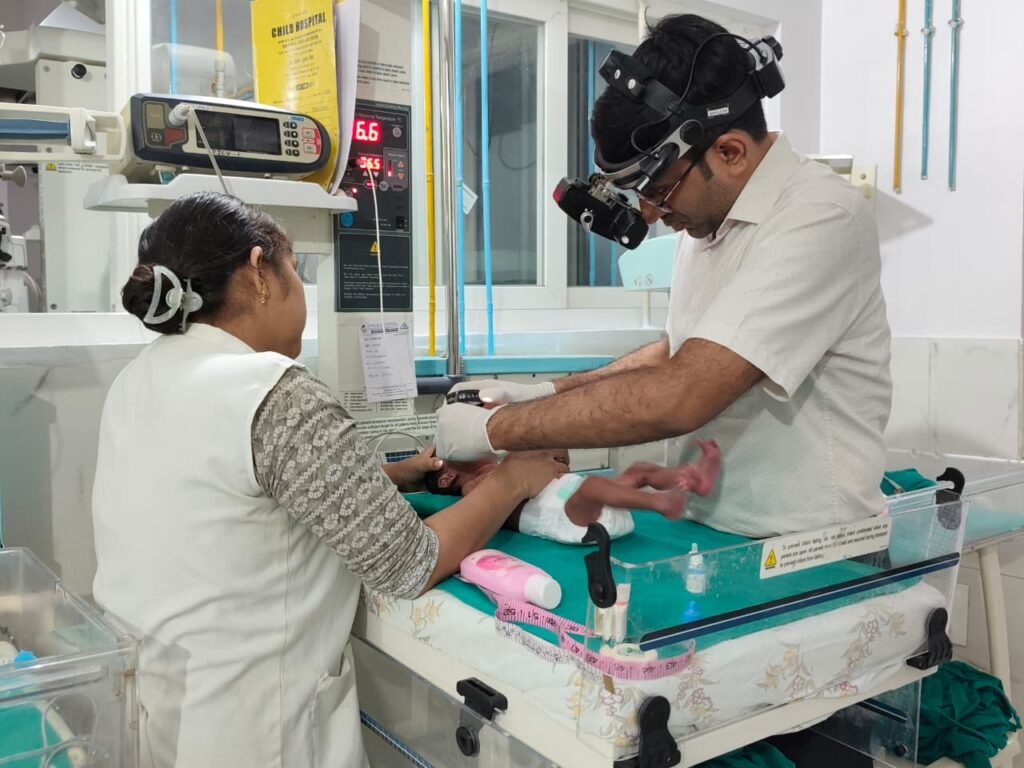
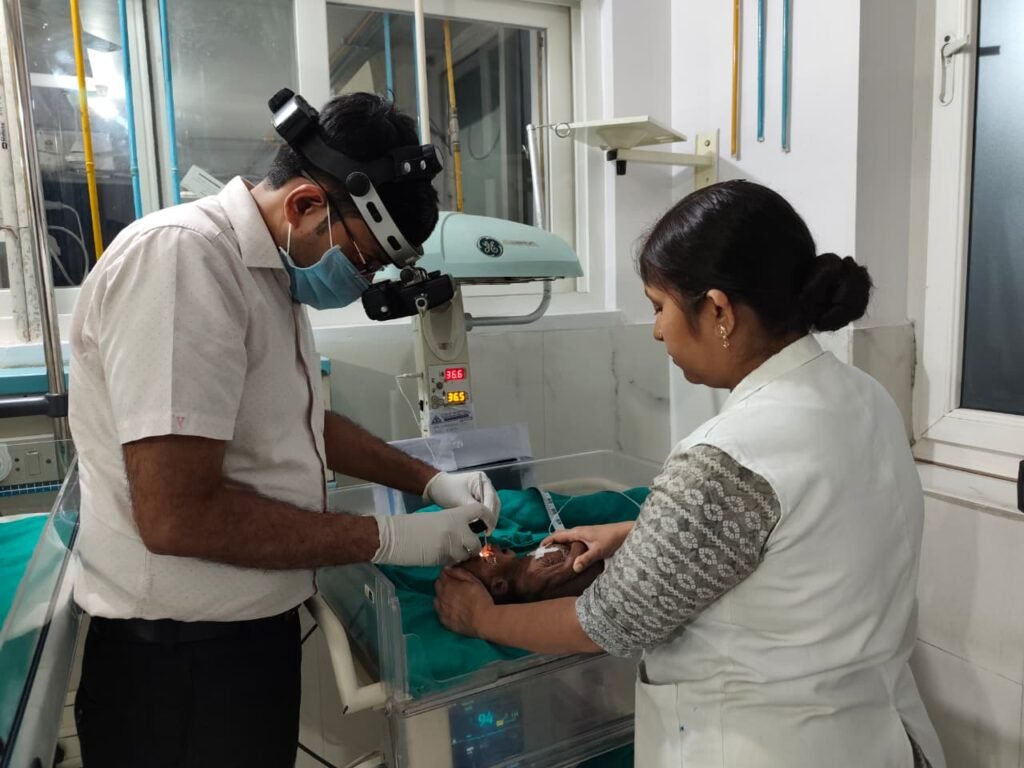
Bedside ROP screening in NICU
We also provide bedside ROP screening for eligible babies admitted in the NICU. This enables examination at the appropriate time without waiting for discharge or transporting an unstable neonate. Babies requiring treatment or close follow-up are managed promptly, with subsequent examinations scheduled according to retinal findings and vascular maturity.